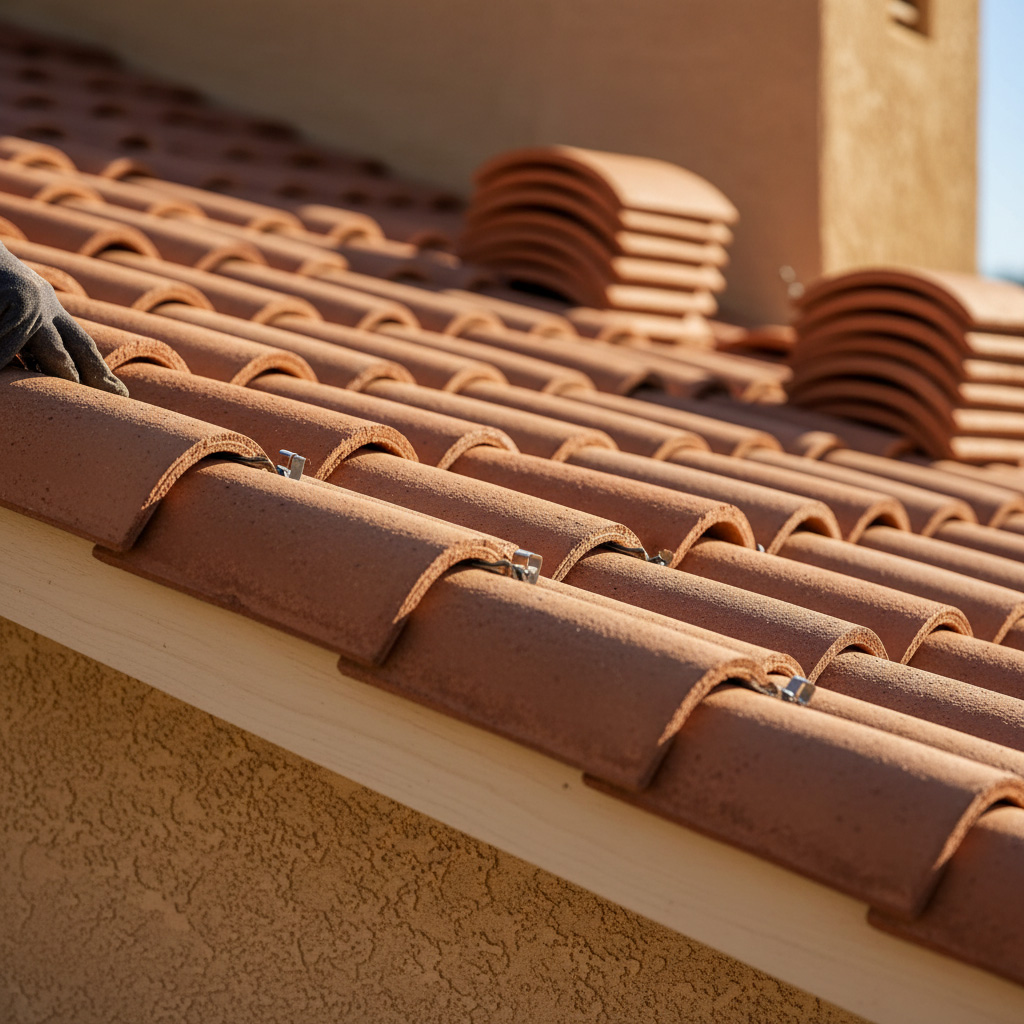


⚡ TL;DR: This guide provides Indianapolis homeowners with a practical roof inspection checklist, including tools, exterior and interior checks, and local hazards like hail and wind to catch problems early.
📋 What You’ll Learn
In this roof inspection checklist for Indianapolis homes, you'll master when to inspect, essential tools, exterior and interior checks, local hazards like hail and ice dams, plus real case studies.
- Know when to inspect your roof in Indianapolis, from seasonal timing and post-storm urgency to early warning signs that prevent leaks and structural failures before they escalate.
- Gather tools and safety gear needed for safe, thorough roof checks, including ladders, binoculars, flashlights, gloves, and harnesses tailored for urban Indy rooftops.
- Master exterior checklist essentials covering shingles, flashing, gutters, and chimney conditions specific to Midwest wear patterns in Indianapolis neighborhoods.
- Spot interior red flags quickly like attic water stains, ceiling sags, wall discoloration, and insulation damage indicating hidden roof issues.
- Tackle Indy-specific roof threats such as hail damage, high winds, ice dams, with a real Carmel case study on averting collapse.
📖 Reading time: 7 min
✍️ Author expertise: Indianapolis roofing pro with 20 years inspecting local homes against hail, wind, and ice.
Ever woken up to the sound of rain drumming on your ceiling in the middle of an Indianapolis thunderstorm, heart sinking as you spot the first water stain?
That's the nightmare no Hoosier homeowner wants, yet our brutal winters, humid summers, and hail storms turn roofs into ticking time bombs without regular checks.
Spotting trouble early saves you thousands in repairs and keeps your family dry.
Grab this straightforward roof inspection checklist tailored for Indy homes, and let's make sure your roof stands strong against whatever Mother Nature throws next.
When to Inspect Your Indianapolis Roof
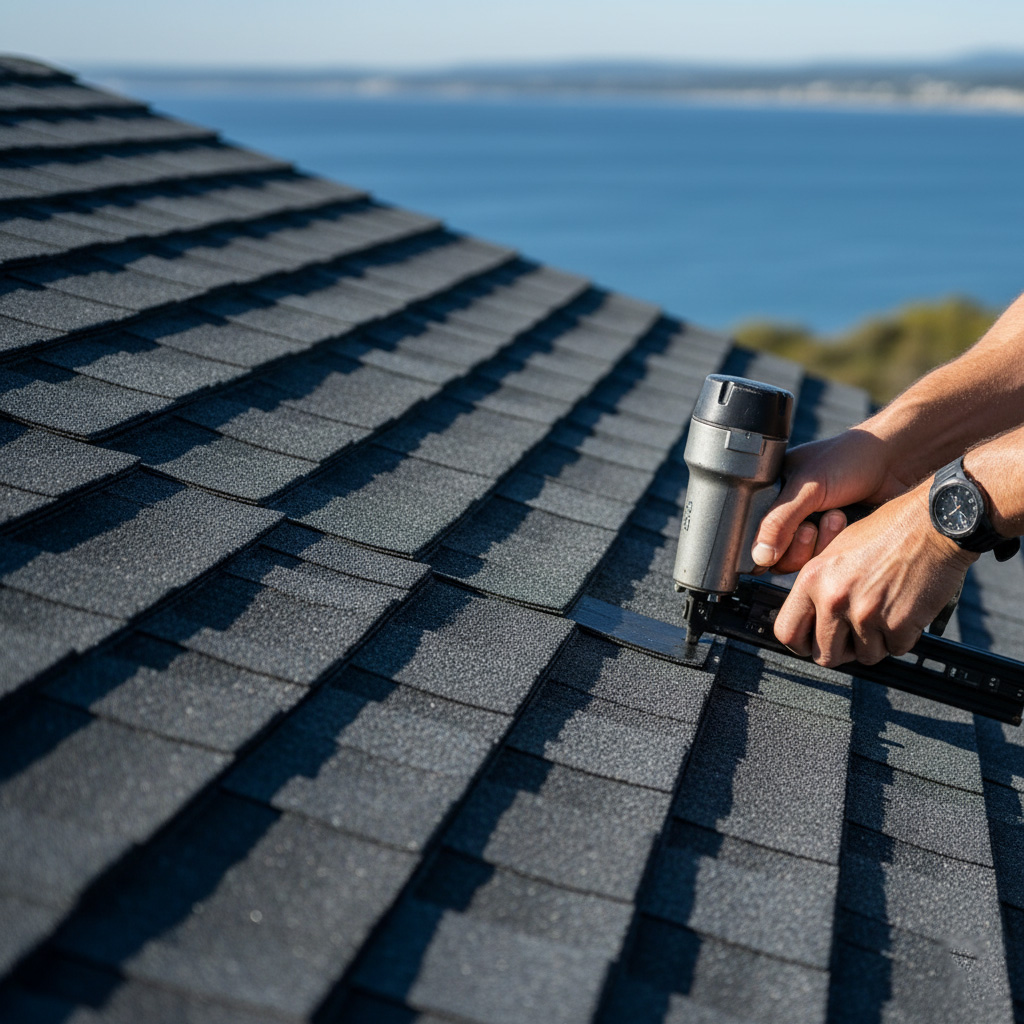
Indianapolis weather hits hard. Hail the size of golf balls, winds whipping over 60 mph, and ice dams that turn gutters into frozen waterfalls. Schedule your first check right after any major storm passes through.
Don't wait for obvious damage. Hit the roof annually, especially in early fall before those brutal Indy winters lock in. And spring? Perfect time to shake off summer hail scars and prep for thunderstorms.
Key Times to Grab Your Ladder
- Post-storm blitz: Within 48 hours of hail, high winds, or heavy rain in the Indy area.
- Seasonal tune-ups: Late spring and early fall to beat the extremes.
- Age alerts: Every roof over 10 years old needs two checks a year.
- Quick scans: After tree branches drop or you spot granules in your gutters.
Spot these triggers early, and you'll dodge the $10K repair bill that sneaks up on neighbors.
Tools and Safety Gear You'll Need
Before you climb up there, stock up on the right gear. Skip this step, and you're asking for slips, bad reads, or worse. Simple tools make spotting damage a breeze.
Essential Tools
- Sturdy extension ladder: Pick one rated for your weight, with non-slip feet for Indy's uneven lawns.
- Binoculars: Scan high shingles without risking a climb every time.
- Flashlight or headlamp: Peek into dark attic corners where leaks hide.
- Moisture meter: Cheap gadget that beeps at wet spots behind the scenes.
- Camera or phone: Snap pics of issues for your roofer's eyes later.
Safety first beats a hospital trip every time. Dress like you're battling hail, not strolling the mall.
Must-Have Safety Gear
- Hard hat: Shields your noggin from loose shingles.
- Non-slip work gloves and boots: Grip wet roofs like a pro.
- Safety harness and rope: Tie off on steep pitches over two stories.
- Fall arrest lanyard: Clips to the ladder for extra peace of mind.
Pro tip: Inspect on a dry, calm day. Wind turns ladders into kites fast around here.
Exterior Checklist: Shingles, Flashing, and Gutters
Shingles
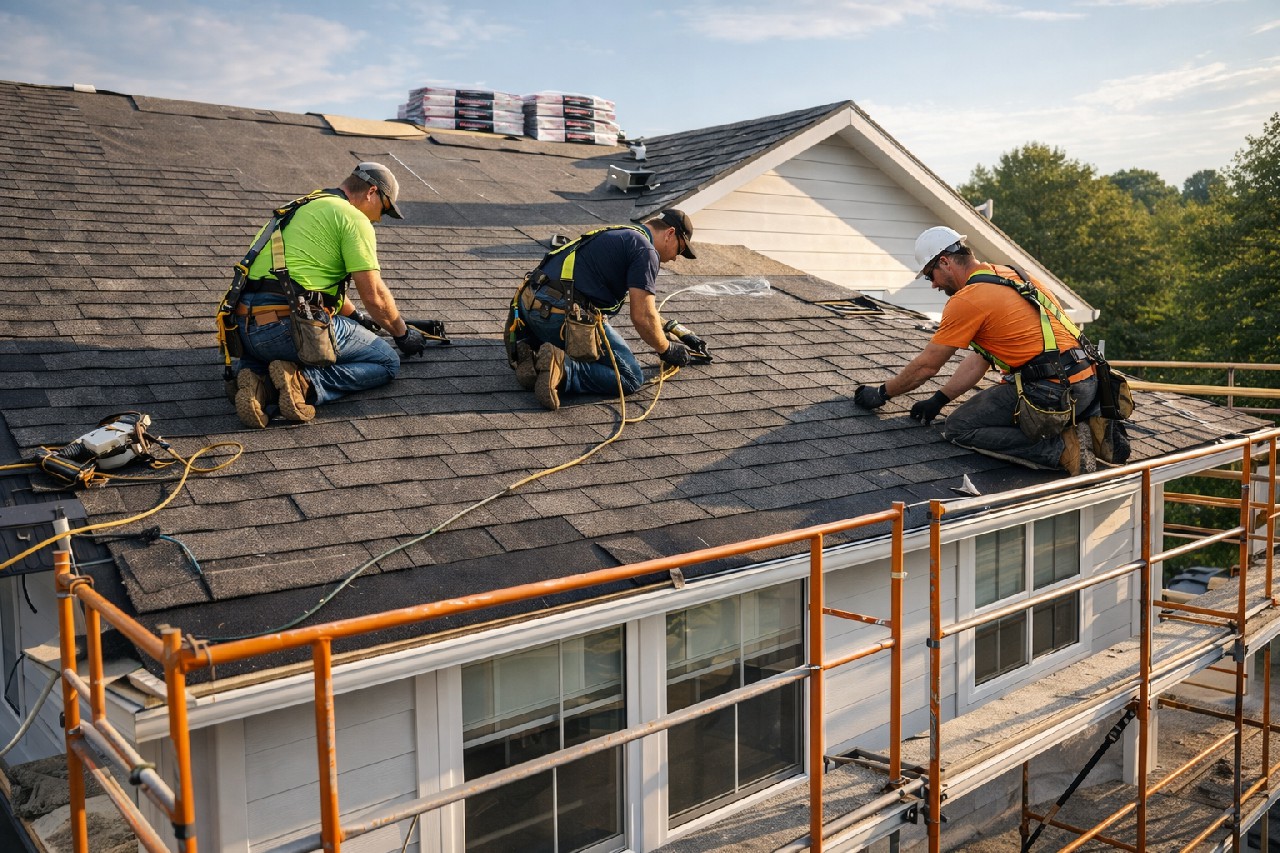
Start on the ground with binoculars if you can. Look for missing, cracked, or curling shingles – common after Indy's wild winds.
Climb up safely and check for granule loss. Bare spots mean your shingles are wearing thin, exposing the underlayment to UV damage.
- Granules in gutters? Time to worry.
- Buckled rows? Heat expansion at work.
- More than 10% damaged? Call pros now.
Flashing
Flashing seals roof edges around chimneys, vents, and valleys. Indy hail beats it loose fast.
Lift edges gently. Rust, gaps, or lifted seams scream leaks ahead.
- Chimney flashing cracked? Water's highway inside.
- Valley flashing torn? Reroute it pronto.
- Soldered joints failing? Replace before freeze-thaw cycles hit.
Gutters
Clogged gutters overflow, rotting your fascia boards. Poke around for leaves, twigs, and shingle grit.
Check seams and downspouts for rust or separation. Indy ice dams turn small issues into roof sag.
- Sag in gutters? Supports failed – reinforce.
- Water stains below? Hidden leaks brewing.
- No flow from downspouts? Blockage alert.
Interior Red Flags: Attic, Ceilings, and Walls
Step inside your attic first. That's ground zero for hidden roof damage. Shine a flashlight around and hunt for these killers.
Attic Trouble Spots
- Water stains or damp spots on rafters or sheathing – a sure sign of leaks punching through.
- Mold growth or musty smells screaming poor ventilation, common after Indy's humid summers.
- Sagging insulation or rafters – your roof's backbone buckling under neglect.
Grab a moisture meter if you have one. Readings over 20% mean trouble brewing fast.
Ceiling and Wall Warnings
Scan your ceilings next. Brownish-yellow stains? Paint bubbling? That's water infiltrating from above.
- Sagging or cracked drywall signals structural weakness – don't ignore it.
- Peeling paint on walls near the roofline points to moisture wicking down.
- Dark streaks along edges? Gutters overflowing during those Indy downpours.
Spot any of this? Call pros immediately. DIY fixes here often make things worse.
Indy-Specific Hazards: Hail, Wind, and Ice Dams
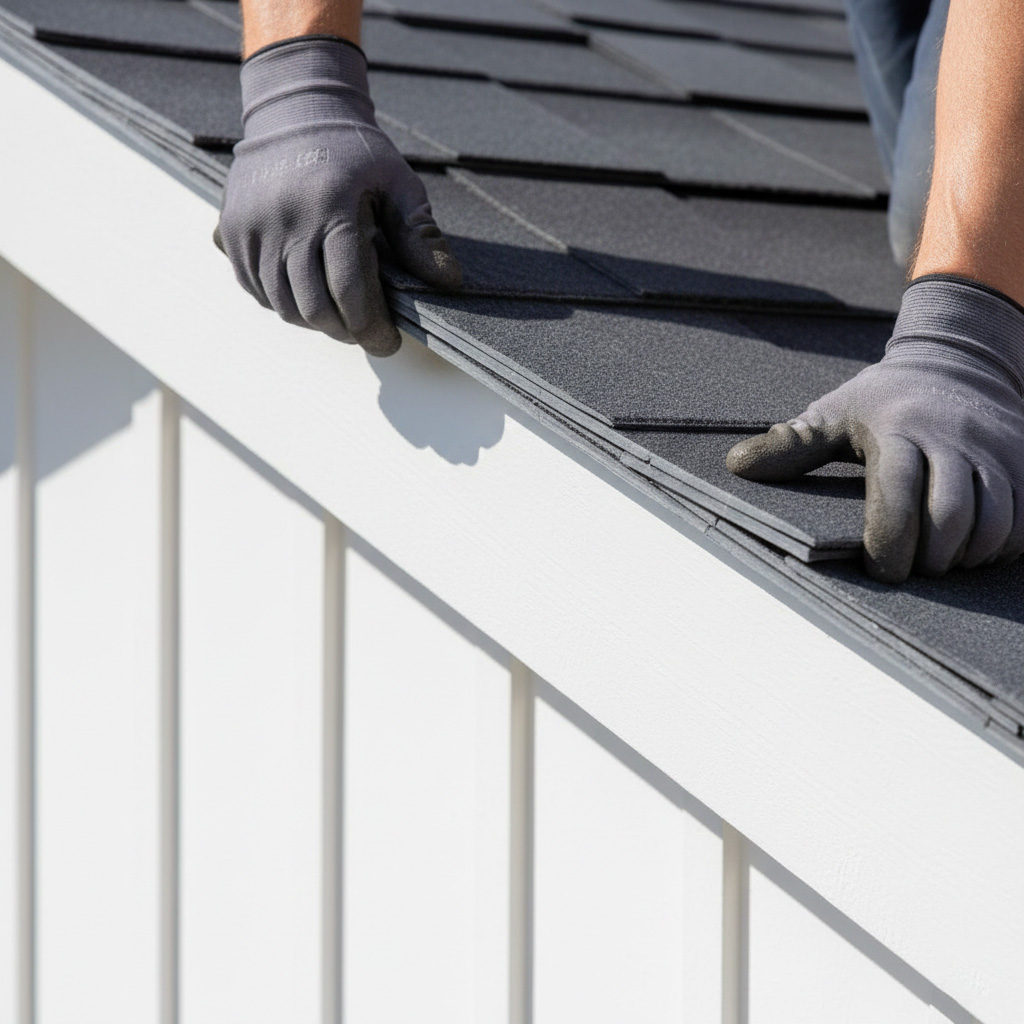
Indianapolis weather hits roofs hard. Hail the size of golf balls pounds shingles during spring storms. High winds rip at edges, and ice dams from our freeze-thaw cycles push water under roofing materials.
Hail Damage Signs
- Look for bruised or dented shingles – soft spots that crack under foot.
- Check granule loss in gutters; it's hail stripping protection fast.
- Cracked or split asphalt? That's a fast track to leaks.
Wind gusts over 50 mph are common here. Scan for missing shingles or lifted tabs along ridges. Test flashing around chimneys – loose pieces mean water sneaks in next storm.
Ice Dams to Watch
- Big icicles hanging off eaves scream trouble.
- Water stains inside near walls? Meltwater's backing up.
- Soft spots in gutters signal ice buildup pushing everything out of place.
Catch these early, or pay big later. Indy roofs take a beating – inspect after every major event.
Case Study: How We Saved a Carmel Home from Collapse
Picture this: Mike, a Carmel dad of three, called us after a wild hailstorm last spring. He noticed a few loose shingles but figured it was no big deal. That "no big deal" almost cost him his home.
Our team climbed up for a full exterior check. What we found shocked us.
- Cracked shingles everywhere from hail impacts.
- Rusted flashing around the chimney, letting water seep in.
- Gutters clogged with debris, backing up water against the fascia boards.
Inside, it got worse
In the attic, we spotted rotted rafters and mold creeping across the insulation. Water stains on the bedroom ceiling confirmed leaks had been going unchecked for months. Without that inspection, the whole structure could've caved under the next heavy snow.
We ripped off the damaged sections, reinforced the rafters, and installed impact-resistant shingles built for Indy weather. Mike's roof now laughs at hail. Total cost? Half what a full replacement would've run after collapse.
Final Thoughts
Your Indianapolis roof takes a beating from hail, high winds, and those sneaky ice dams. Running through this checklist twice a year keeps small issues from snowballing into massive headaches. Stay proactive, and you'll dodge the repair bills that blindside most homeowners.
Spot something off during your check? Don't wait. Our Roof Inspection team in Indy spots what DIY misses, every time.
Quick Action Steps
- Schedule inspections in spring and fall.
- Photograph problem areas for records.
- Call pros for anything beyond shingles or gutters.
Picture this: a solid roof overhead, no leaks, no worries. That's the payoff. Get after it today.
People Also Ask
How often should I inspect my roof in Indianapolis?
In Indianapolis, inspect your roof at least twice a year—once in spring and once in fall—to catch seasonal damage early. After severe weather like hail storms or high winds common in Indiana, schedule an immediate check. Professional inspections annually can prevent costly repairs from Midwest climate wear.
What are the signs of hail damage on an Indianapolis roof?
Look for dents, cracks, or bruising on asphalt shingles, which hail from Indiana storms often causes. Granules in gutters or soft spots under shingles indicate hidden hail impact. Early detection prevents leaks; contact a local roofer for a thorough Indianapolis-specific assessment.
Can I inspect my own roof safely in Indianapolis?
Yes, basic exterior checks from the ground using binoculars are safe for homeowners, focusing on shingles and gutters. Always wear proper safety gear like non-slip shoes and harnesses if climbing. For attics or steep roofs, hire Indianapolis roofing pros to avoid falls and ensure accuracy.
How do I check for ice dams on my Indianapolis home?
Examine eaves and valleys for ice buildup or water stains inside along ceilings during Indiana winters. Ice dams form from poor insulation and heavy snow, blocking meltwater flow. Clear gutters preventively and improve attic ventilation to mitigate this common Indy hazard.
What should I look for in the attic during a roof inspection?
Check for daylight leaks, dark mold stains, or wet insulation signaling roof failure. Sagging rafters or rust on nails indicate structural issues from wind or age. In Indianapolis homes, ensure proper ventilation to combat humidity and ice dam risks.

Indianapolis Roofing delivers expert roofing services to homes and businesses across Indianapolis, IN. With years of experience in installations, repairs, and maintenance, the team addresses the unique challenges of the local climate. Committed to the community, Indianapolis Roofing prioritizes craftsmanship tailored to Central Indiana needs.
Need Roofing?
Swift roofing repairs and replacements in Indianapolis, IN and nearby areas (46201, 46202, 46204, 46226, 46236) deliver weatherproof protection fast.
Get Roof Quote